Why Choose Mobile Respirator Fit Testing?
Sending employees off-site to a clinic for mask fit testing drains productivity and disrupts operational workflows. Our mobile service eliminates that downtime. We bring the testing equipment, certified technicians, and a variety of mask models directly to you.
Minimize Downtime
Keep your workers on-site and in production. Each individual test takes only about 15 minutes.
Ensure CNESST Compliance
Fulfill your employer obligations under the Regulation respecting occupational health and safety (RSST) regarding respiratory protection programs.
Flexible Scheduling
We accommodate your shift schedules, including early mornings, evenings, or weekends, to test your entire workforce efficiently.
Types of Fit Tests Available
We provide both qualitative and quantitative fit tests, strictly following CSA Z94.4 protocols. We test all major manufacturers, including 3M, North, MSA, and Scott.
Quantitative Fit Testing (QNFT)
The most precise method available. Essential for full-face masks, but also highly recommended for half-face respirators. This method uses an advanced Portacount device to measure the exact amount of microscopic leakage into the mask, providing a concrete numerical pass/fail score (Fit Factor).
Qualitative Fit Testing (QLFT)
A pass/fail method primarily used for half-face elastomeric masks and N95 filtering facepieces. It relies on the wearer's sensory detection (taste or smell) of a safe testing agent (such as Bitrex or Saccharin) while performing a series of standardized breathing, talking, and moving exercises.
What to Expect During On-Site Testing
Our comprehensive testing process goes beyond just checking the seal. We ensure your workers actually understand how to use their equipment safely. During our visit, we cover:
Proper Donning and Doffing
Training workers on how to safely put on and remove the respirator without contaminating themselves.
Seal Checks
Instructing users on how to perform positive and negative pressure seal checks before every use.
Care and Maintenance
Best practices for cleaning, storing, and inspecting half-face and full-face respirators.
Service Features at a Glance
On-Site Mobile Testing
Operational Benefit
Eliminates travel time and off-site clinic wait times for employees.
Québec Regulatory Impact
Ensures high participation and compliance across the workforce.
Quantitative Testing
EHS Benefit
Removes human error/subjectivity from the testing process.
Québec Regulatory Impact
Meets strict RSST requirements for high-hazard airborne environments.
Worker Education
EHS Benefit
Empowers staff to maintain and wear their PPE correctly daily.
Québec Regulatory Impact
Satisfies employer duty-to-train requirements under CNESST.
Software Integration
EHS Benefit
Instant digitization of all fit testing records.
Québec Regulatory Impact
Guarantees audit readiness with centralized data retention.
Seamless Integration with Preventis OHS Software
Unlike standalone testing clinics, Preventis offers a holistic safety ecosystem. The results from our mobile fit testing unit—including passing records, mask assignments, and expiration dates—can be instantly uploaded directly into your Preventis Fit Test software module.
Book a Mobile Fit Test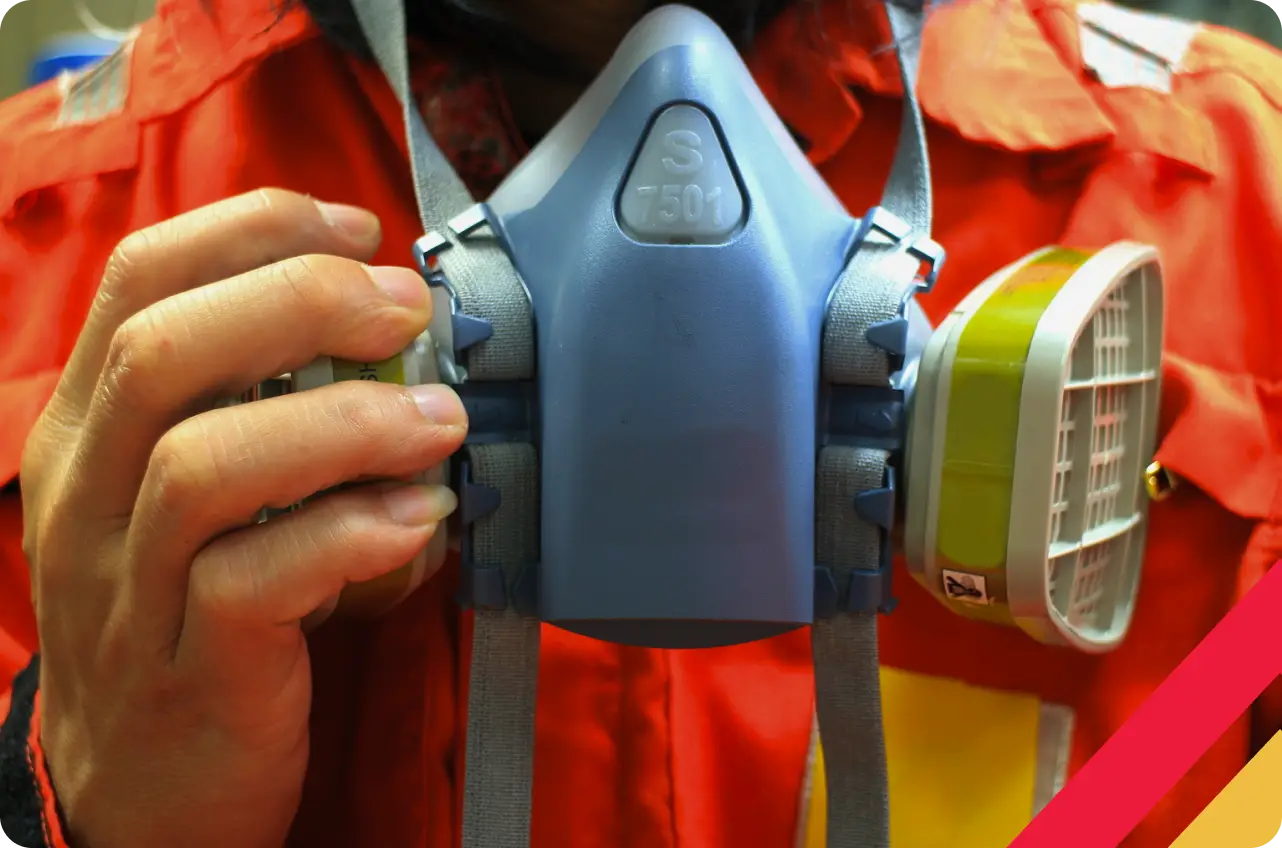
Frequently Asked Questions
Who requires respirator fit testing in Québec?
Any worker required to wear a tight-fitting respirator (including N95s, half-face, or full-face masks) during their regular duties or for emergency response activities must be fit-tested to ensure an effective seal against airborne contaminants.
How often must respirator fit testing be performed?
Under CSA Z94.4 standards, fit testing must be conducted at least once every two (2) years. However, a new test is required sooner if the wearer experiences physical changes that could affect the seal, such as significant weight fluctuation, major dental work, or facial scarring.
Do workers need to be clean-shaven?
Yes. To achieve a proper seal and accurately perform the fit test, workers must be clean-shaven in the area where the respirator facepiece seals against the skin.
Do we provide our own masks for the test?
Workers should bring their assigned masks if they already have them. However, our mobile unit carries a wide variety of testing masks (Scott, MSA, North, 3M, etc.) to size and test workers who do not yet have assigned equipment. Secure Your Workforce's Respiratory Health Today
Secure Your Workforce's Respiratory Health Today